Picture you're running a crucial assembly line, and all of a sudden your flow meter begins drifting. It's reading reduced, and you're not sure if it's a blockage, a used sensing unit, or simply time for a check-up. Waiting days to send out that instrument off-site for service can cost you huge in downtime. That's where onsite calibration can be found in-- a quicker, smarter means to keep your process running smoothly.
What Is Onsite Calibration?
Onsite calibration means bringing the licensed equipment and know-how straight to your facility instead of shipping gadgets back to a laboratory. As opposed to disconnecting pipes or stopping procedures for a bench check, technicians adjust tools-- stress gauges, temperature level probes, torque wrenches and even more-- in position. It's a form of instrument calibration made to minimize interruption and make certain measurements continue to be trusted.
Why Onsite Calibration Matters
When a sensing unit drifts out nist calibration certificate emlcalibration.com of resistance, it can affect item high quality, safety and security and compliance. A dampness analyzer that reviews high can waste power drying material unnecessarily. A miscalibrated firmness tester may let scrap components slide through. Attending to these issues instantly keeps points on track.
Lowering Downtime
Downtime is greater than a trouble-- it's genuine cash. Image an oil handling plant where pressure sensors begin showing irregular analyses. Instead of shutting down for a week to send assesses off-site, onsite calibration teams get here with mobile requirements. They validate and readjust analyses, so manufacturing resumes in hours, not days.
Preserving Safety and Compliance
In markets like aerospace or pharmaceuticals, laws require specific analyses. Nondestructive evaluation tools often count on adjusted sensors to identify cracks or bit contamination. An onsite visit guarantees that your equipment fulfills audit standards without the problem of logistics.
Key Instruments for Onsite Calibration
- Circulation meter Pressure scale Temperature level sensing unit Wetness analyzer Solidity tester Torque wrench and torque wrenches Fragment counter
Best Practices for Effective Onsite Calibration
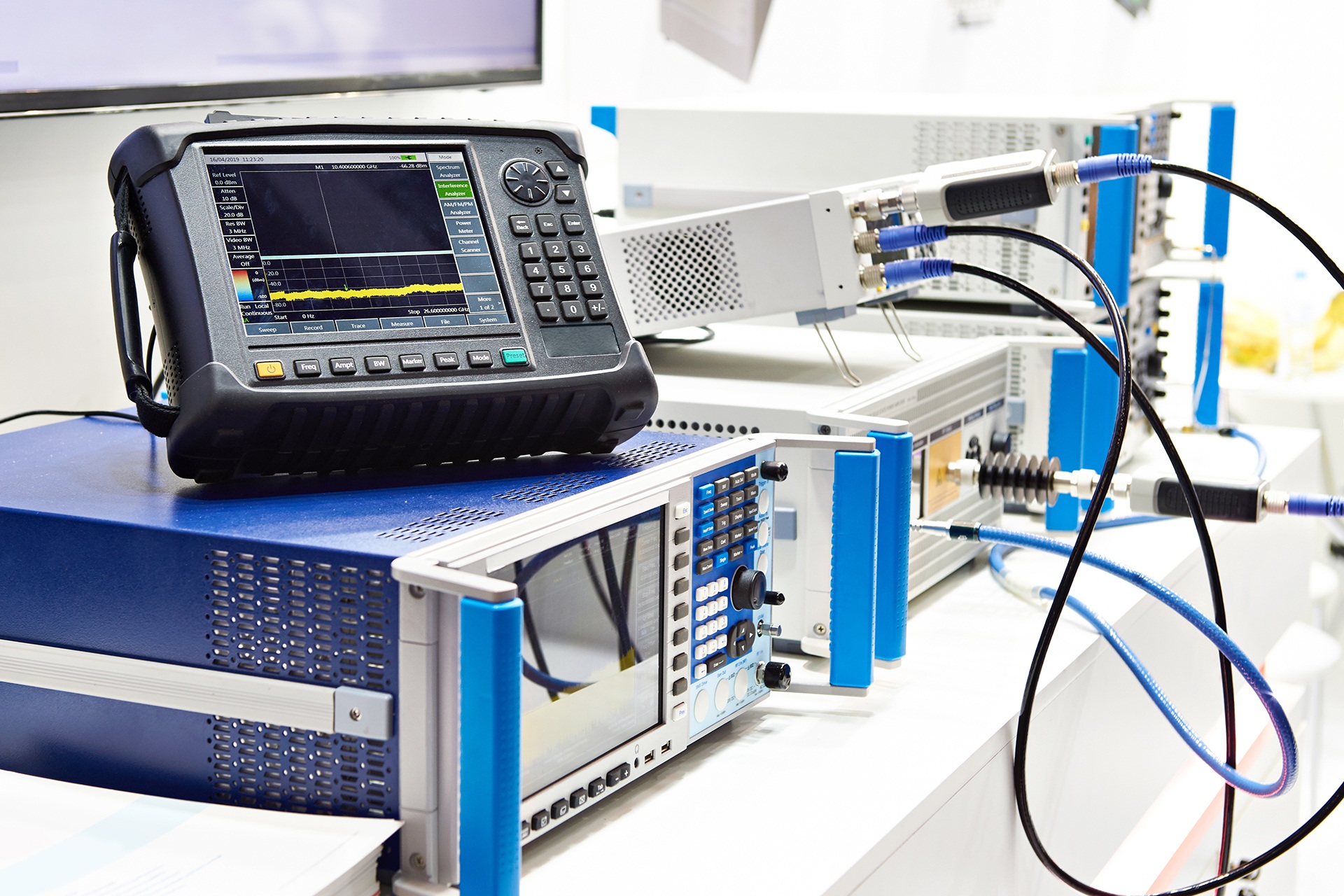
Calibrating tools in the area needs mindful planning and clear documents. Comply with these guidelines to obtain one of the most from your following visit:
1. Preparation
Gather historic information on each tool's efficiency. Review previous calibration documents to detect patterns-- perhaps that flow meter wanders much more when system stress climbs above 50 psi. Ensure the calibration group has access to essential locations which any type of dangerous energy resources are shut out. A clean, arranged work area helps them function efficiently.
2. Utilizing Traceable Standards
Precise onsite calibration relies on mobile standards that connect back to nationwide or global referrals. Whether readjusting a torque wrench or verifying a solidity tester, specialists use adjusted master gauges and accredited blocks to make certain every analysis traces back to a well-known standard.
3. Adjusting Under Real Conditions
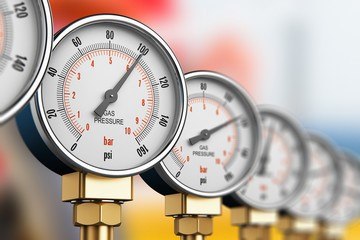
One of the advantages of onsite job is checking tools at real operating temperatures and pressures. A temperature sensor might behave differently at ambient lab levels than it carries out in a hot oven or vapor line. By adjusting under real-world problems, you capture the entire picture.
4. Extensive Documentation
Each calibration should come with a thorough record: before-and-after analyses, ecological conditions, unpredictability values, and any type of suggestions. Excellent documents aid you plan the following calibration and protect your conformity during audits.
Real-World Example: Particle Counters in Clean Rooms
A semiconductor maker noticed a rise in issue rates. Their ecological surveillance system flagged greater rely on a fragment counter inside a clean room. Instead of thinking, they scheduled an onsite calibration. Specialists cleaned up the inlet filters, confirmed the circulation rate, and changed the photometer alignment. Within a day, the counter was back in tolerance, and the issue price come by 20%.
Selecting the Right Calibration Partner
Not all company are produced equivalent. You want a group that understands your processes-- whether it's a nondestructive thickness gauge or a moisture analyzer in a paper mill. Search for specialists with hands-on experience, clear pricing, and the capacity to provide fast turn-around.
For facilities across several industries, EML Calibration provides specialist onsite calibration services. Their mobile laboratories are furnished for a vast array of tasks, from stress and temperature checks to torque wrench verification. Following time you need to calibrate in place, consider them a trustworthy source.
With the best strategy to onsite calibration, you'll keep tools accurately adjusted, lessen downtime, and preserve the quality and safety and security your operation demands.
Name: EML Calibration
Address: 998 Elm Hill Pike, Nashville, TN 37210, United States
Phone: (888) 846-4614
Website: https://www.emlcalibration.com/